



In the world of online gambling, players often seek options that provide flexibility and a variety of gaming experiences. Non-GamStop casinos have emerged as a popular alternative for those who wish to explore platforms outside the UK’s self-exclusion scheme. These casinos offer a wide range of games, bonuses, and payment methods, catering to diverse preferences. However, it is essential to approach these sites with caution and awareness. Understanding the qualities of a trustworthy casino, the importance of licensing, and the implications of playing at non-GamStop casinos can significantly enhance your gaming experience. This article aims to provide a balanced overview of non-GamStop casinos, highlighting key factors to consider before diving into the world of online gambling.
Top 6 non-GamStop casinos
How to compare non-GamStop casinos: checkable criteria versus personal preferences
When evaluating non-GamStop casinos, it’s crucial to distinguish between checkable criteria and personal preferences. Checkable criteria include factors such as licensing transparency, security measures, and the clarity of terms and conditions. Personal preferences, on the other hand, encompass aspects like game selection, user interface, and payment options. By balancing these elements, players can make informed decisions that align with their gaming style and safety requirements.
For further context, see best non Gamstop casino. Check current terms, licensing claims and player protections before considering any site.
UKGC regulation, GAMSTOP, licensing and security
The UK Gambling Commission (UKGC) regulates online gambling in the UK, ensuring that operators adhere to strict standards. However, non-GamStop casinos may not be regulated by the UKGC, which means players should conduct thorough research before engaging with these platforms. It’s essential to verify the licensing status of any casino and understand that non-GamStop status does not equate to UKGC approval. Players should always check current official regulatory information to ensure they are playing safely and legally.

Table games and roulette: RTP and house edge explained
Table games, including roulette, are staples of any casino. Understanding Return to Player (RTP) and house edge is crucial for players. RTP is a theoretical long-term indicator of how much a game returns to players over time, while the house edge represents the casino’s advantage. For instance, European roulette has a lower house edge compared to American roulette, making it a more favourable option for players. It’s important to remember that these metrics do not guarantee short-term outcomes but provide insights into the game’s risk and reward structure.
Slots: RTP and volatility explained
Slots are among the most popular games in non-GamStop casinos, and understanding their RTP and volatility can enhance your gaming strategy. RTP indicates the percentage of wagered money a slot is expected to return to players over time, while volatility refers to the risk associated with the game. High volatility slots may offer larger payouts but less frequently, whereas low volatility slots provide smaller wins more often. Players should choose slots that align with their risk tolerance and gaming preferences.

Casino bonuses and their conditions
Bonuses are a significant attraction for players at non-GamStop casinos. However, it’s essential to read the terms and conditions associated with these offers. Wagering requirements, which dictate how many times a bonus must be played through before withdrawal, can vary significantly between casinos. Additionally, players should be aware of any restrictions on eligible games and withdrawal limits. Understanding these conditions can help players make the most of their bonuses without facing unexpected hurdles.
Payments, withdrawals and KYC verification
When playing at non-GamStop casinos, players should consider the payment methods available for deposits and withdrawals. Look for casinos that offer a variety of secure payment options, including e-wallets, credit cards, and bank transfers. Additionally, Know Your Customer (KYC) verification is a standard procedure that ensures the identity of players is confirmed before withdrawals can be processed. This process is vital for both security and compliance with regulations.
Common mistakes when choosing a casino
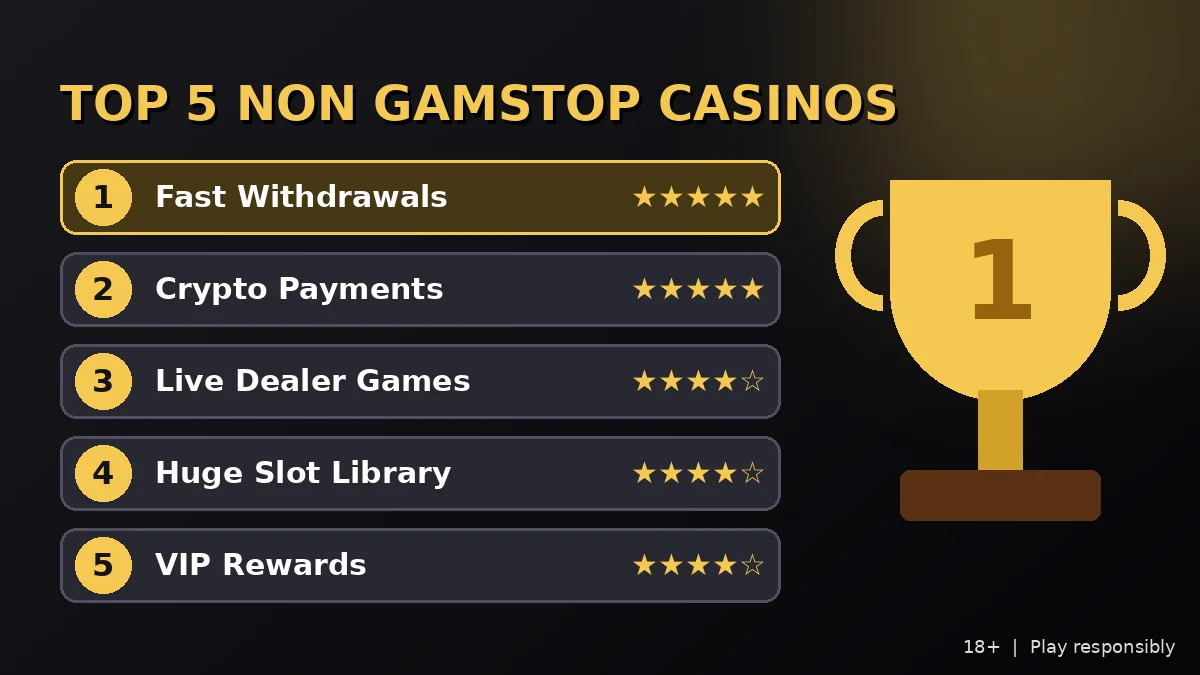
Many players make common mistakes when selecting a non-GamStop casino. One frequent error is failing to check the licensing and regulatory status of the casino. Additionally, players may overlook the importance of reading reviews and understanding the terms of bonuses. It’s crucial to take the time to research and compare different options to avoid pitfalls and ensure a safe gaming experience.
Safer gambling
Engaging in safer gambling practices is essential, especially when playing at non-GamStop casinos. Players should set time and spending limits, avoid using borrowed or essential funds, and refrain from chasing losses. If gambling stops being a recreational activity, it’s important to seek help and use tools to limit access to gambling sites. Remember, gambling should always be viewed as entertainment, not a source of income.
For those interested in exploring alternatives, casino sites not on Gamestop can provide a range of options. However, always ensure to play responsibly and within your means.
A practical conclusion
In conclusion, while non-GamStop casinos offer an array of gaming options, players must approach them with caution. By understanding the key factors such as licensing, RTP, bonuses, and safer gambling practices, players can make informed decisions that enhance their overall experience. Always remember to gamble responsibly and seek help if needed, ensuring that your gaming remains a fun and enjoyable pastime.